A rooftop solar quotation is a price. An EPC (engineering, procurement and construction) contract is what you actually get.
In short
- Get the scope in writing item by item: panels, inverter, structure, cabling, earthing, approvals, commissioning and handover
- Name the exact panel and inverter make and model in the contract, with no swap to "equivalent" without your written OK
- Ask for the steel grade and the galvanising standard of the mounting structure, with a test certificate at delivery
- Keep three warranties separate: panel product, panel output, and the installer's own workmanship, each with years written down
- Hold back part of the payment until after commissioning, and get as-built drawings, test reports and monitoring login at handover
Most disputes between factory owners and solar contractors don't start with the panels. They start with a contract that never said what "complete system" meant, or who pays when something underperforms five years in.
This is a working checklist. Go through it before you sign, not after a problem shows up.
Scope: what exactly is included
The most common cause of disagreement is scope. A quotation may say "solar system, X kW" with a price, and nothing else. The contract should list, item by item:
- Number and wattage of panels, with make and model
- Inverter make and model, and whether it is string or central
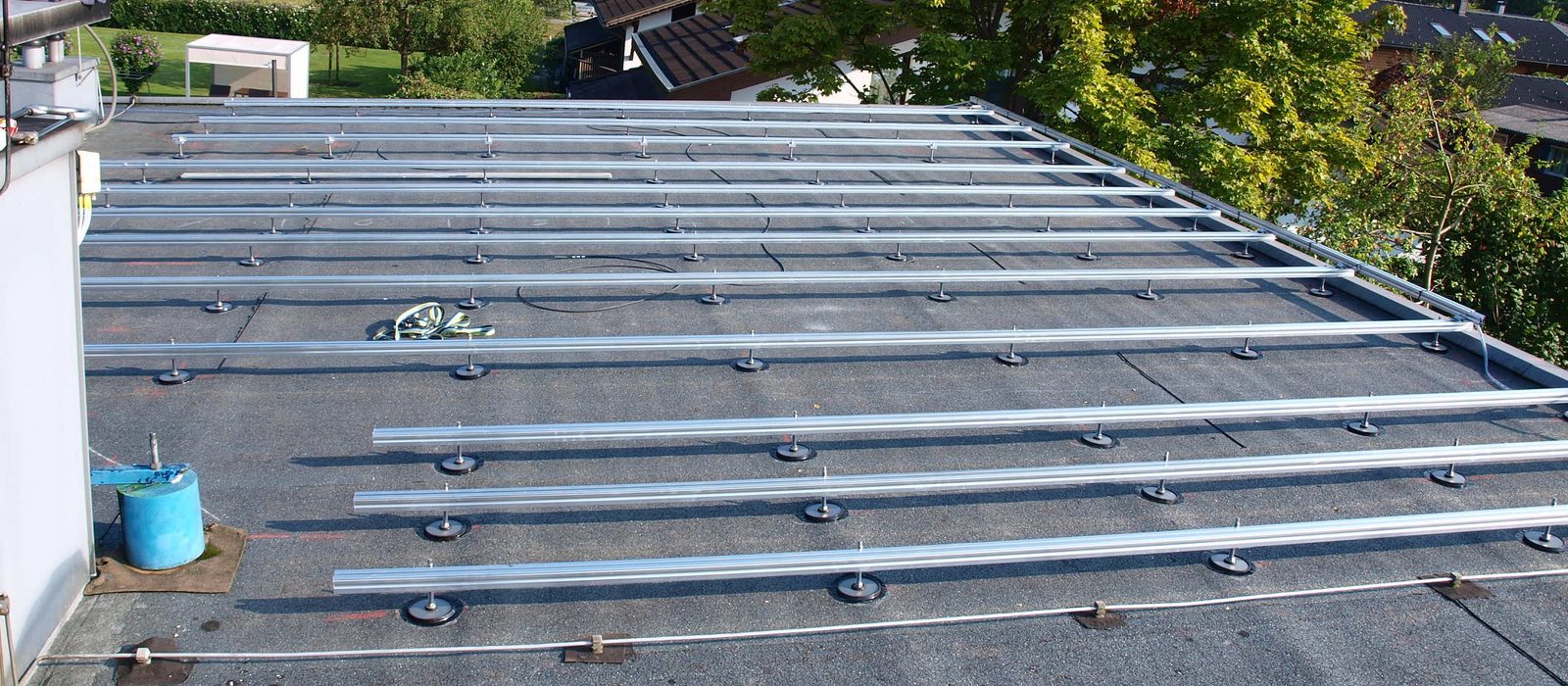
- Mounting structure type and material
- AC and DC cabling, combiner boxes, earthing and lightning protection
- The TNEB (TNPDCL) application and follow-up. For an HT factory this is usually net feed-in or gross metering, not net metering, which in Tamil Nadu is for homes. See what TNEB allows on an HT factory roof
- Civil work, if any (cable trenches, shed strengthening)
- Testing, commissioning and handover papers
- Who gets the Electrical Inspector (CEIG) safety certificate and who pays for it. TNPDCL's HT rooftop procedure asks for it before the plant is connected
If an item is not named, assume it is not included and ask. "Balance of system" is not a specification. Ask for the actual list.
Panel and inverter make
Don't accept "Tier 1 modules" as a specification. Ask for:
- The exact brand and model, with the datasheet attached to the contract
- Whether the panels are on MNRE's Approved List of Models and Manufacturers (ALMM). As reported, MNRE's ALMM orders also require cells from its approved cell list (List-II) for projects commissioned from 1 June 2026. Whether this applies to your plant depends on how it is connected and any scheme it uses, so ask the contractor to state it in writing
- Whether the panels and the inverter carry BIS registration
- The panel maker's own warranty terms (see below), not a number the contractor quotes for them
Do the same for the inverter: brand, model, and whether the warranty is the inverter maker's own or a shorter cover from the contractor.
Mounting structure and galvanising
The structure sits on your roof for 25 years through Tamil Nadu's heat, humidity and monsoon. Ask for:
- The steel grade. MNRE's rooftop specification for its own schemes, as reported, calls for steel to IS 2062
- The galvanising standard. The same specification calls for hot-dip galvanising to IS 4759. Ask for the coating thickness the contractor commits to, in writing, and a test certificate at delivery
- The wind-load design basis for your site, not a figure copied from another project
- Whether the structure is bolted (can be serviced or taken apart) or welded on site
This is one place where a lower quote can mean a thinner coating or lighter steel. You won't see the difference until the structure starts rusting.
Performance guarantee
A performance guarantee is separate from the equipment warranty. It says the plant will produce at least a stated amount of power, or reach a stated performance ratio (PR), measured over a set period, usually a year, against the sunlight actually received.
Ask for the contract to state:
- The guaranteed generation or PR, and how it is measured
- Which data settles a dispute: a weather station, a sunlight sensor (pyranometer) on site, or satellite data
- What happens on a shortfall: a time to fix it first, then what the compensation is
- Whether the guarantee is void if you don't follow the agreed cleaning or maintenance schedule
Without this clause, "guaranteed output" is only a sales line. Unless it is written into the contract, you may not be able to enforce it.
Warranties: three different things
Contracts often mix up three separate warranties. Keep them apart:
- Panel product warranty. Covers manufacturing defects in the panel. MNRE's May 2026 procedure, as reported, sets a 10-year product warranty for panels under its schemes such as PM Surya Ghar and PM-KUSUM. A factory plant outside those schemes gets whatever the maker offers, so get the years in writing.
- Panel output (performance) warranty. Covers the panel's output falling over time, usually shown as a line to year 25. The same MNRE procedure, as reported, sets 25 years for scheme panels. The % output promised at year 25 varies by maker. Take it from the datasheet, not from a sales call.
- Workmanship warranty. Covers the contractor's own work: wiring, structure, and faults not caused by the equipment. It can be the shortest of the three, and is sometimes promised verbally with no number in the contract.
Ask which company stands behind each one (panel maker, inverter maker or contractor) and what happens if the contractor is not around in year 8.
O&M: what is covered and for how long
If operation and maintenance (O&M) is part of the contract, get the details: how often cleaning happens, what a routine visit covers, how fast they respond to a fault, and what is excluded (for example lightning or grid faults). If O&M is a separate yearly contract, say so now, not later.
Payment milestones
Staged payments protect both sides. A typical staged-payment contract links payments to signing, delivery of material to site, finished installation, and commissioning with tests passed, with a part held back until the defect liability period ends. Read the actual % and conditions in your contract. Don't assume they match what was said in a meeting.
Handover papers
At commissioning you should get these, and the contract should list them:
- As-built drawings (single line diagram and layout)
- Test reports (earthing resistance, insulation resistance, string tests)
- Equipment datasheets and warranty certificates in your company's name, not the contractor's
- The TNPDCL approval and agreement papers, and the CEIG safety certificate
- Login access to the remote monitoring portal
A plant handed over without monitoring access is a plant you can't check for yourself.
When not to sign
Walk away, or renegotiate, if you see any of these:
- The quotation is a lump sum with no item-wise scope
- Panel and inverter brands are not named, or the contractor may swap in "equivalent" equipment without your sign-off
- There is no performance guarantee clause, only a sales claim
- Warranty years are not written down, or just say "standard industry warranty"
- Full payment is due before commissioning, with nothing held back
- The contractor can't show a galvanising test certificate or wind-load calculation when asked
- Nobody says who handles the TNPDCL application and the CEIG certificate
None of these cost much to fix at the contract stage. All of them cost a lot to fix once the structure is bolted to your roof.
If you'd rather not sign a capital contract at all
Everything above applies when you buy the plant (CAPEX): you own it, and the contract is between you and the contractor. If you'd rather not carry the capital cost or the contract risk, a zero-investment OPEX arrangement puts the plant ownership, performance risk and O&M on the solar company. You pay an agreed rate for each unit the plant supplies. See zero-investment rooftop solar, or start with the three ways to cut your factory's power bill.
Comparing solar quotations for your factory?
Send us 12 months of EB bills and a few roof photos. We show you which route suits your factory, including rooftop solar with zero investment.
See the three ways to cut your power bill