Every rupee your company invests should fight for your core business — new machinery, working capital, expansion, people. Yet electricity costs keep climbing, and the obvious answer — rooftop solar — asks you to lock crores into an asset that isn't your business at all. There's a model that resolves this cleanly: solar with zero capital investment, where you pay only for the units generated. It's called the OPEX (or RESCO) model, and it's quietly becoming the smartest way for Indian industries to go solar.
The Dilemma Every CFO Knows
Rooftop solar is one of the few investments that reliably cuts a factory's operating cost from day one. Grid tariffs for industrial consumers keep rising year after year, while solar generation costs keep falling. The financial case is not in question.
The problem is the structure of the investment. A meaningful industrial rooftop plant requires significant capital upfront — money that then sits on your roof for 25 years instead of working inside your business. For a growing company, that trade-off is real: every crore in solar panels is a crore not invested in production capacity, inventory, or market expansion. And beyond the capital, ownership brings operational baggage — maintenance contracts, cleaning schedules, inverter replacements, performance monitoring, insurance — none of which is your team's core competence.
This is exactly the problem the OPEX model removes.
How the OPEX / RESCO Model Works
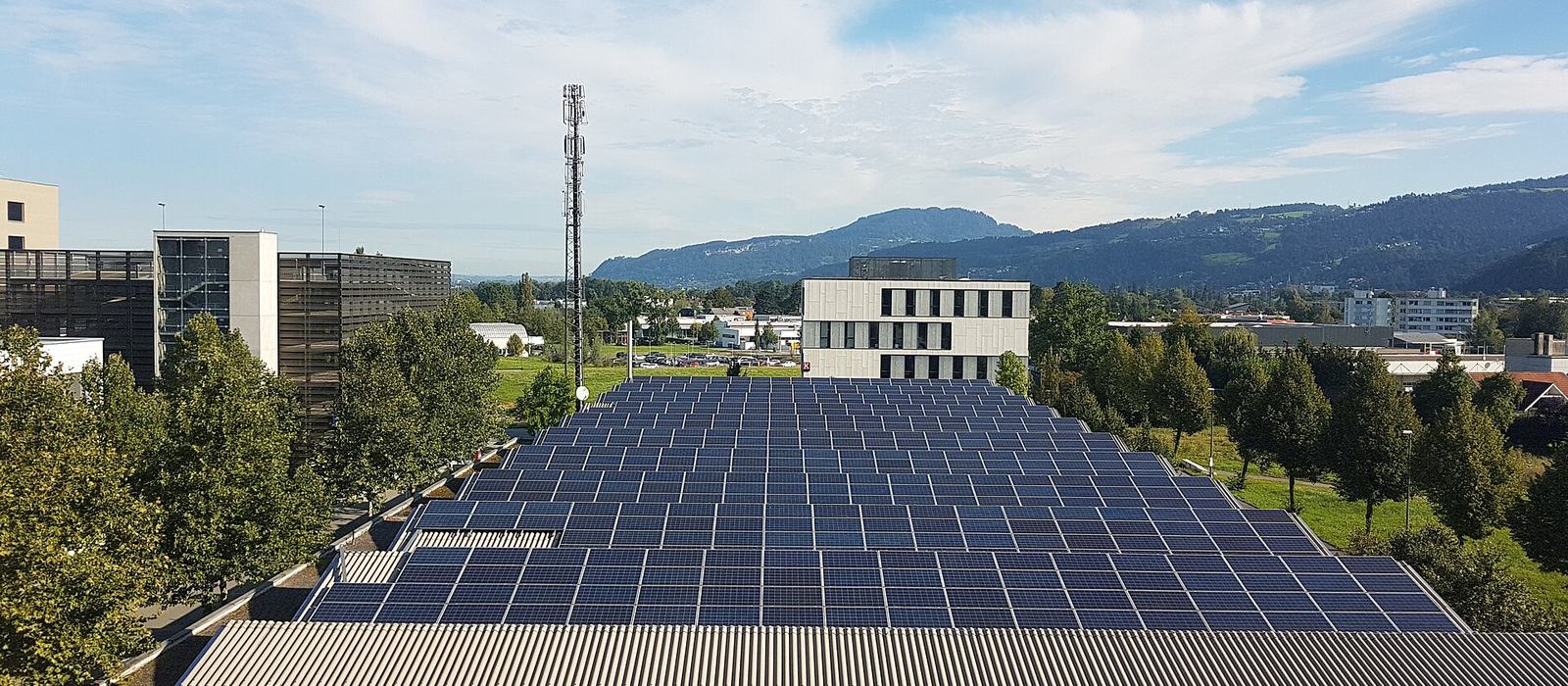
Under the OPEX model (also called RESCO — Renewable Energy Service Company), a developer or special-purpose vehicle invests in, builds, owns, and operates the solar plant at your premises — on your rooftop, or as a ground-mount installation on spare land inside your facility.
You sign just one document: a Power Purchase Agreement. You pay a fixed per-unit rate only for the electricity the plant actually generates — a rate meaningfully below your grid tariff. That's the entire relationship.
- Zero capital investment — your balance sheet is untouched
- Pay per unit generated — no generation, no payment
- No operational burden — design, installation, O&M, cleaning, monitoring, insurance, and performance risk all sit with the investor / SPV
- Immediate savings — the PPA rate is set below your current grid tariff from day one
Your team keeps doing what it does best. The plant simply shows up as a lower electricity bill.
CAPEX vs OPEX — The Honest Comparison
Illustrative default values — request a site-specific quotation.
The honest summary: if you have idle capital and appetite for asset ownership, CAPEX delivers the lowest lifetime cost. But if your capital earns more inside your business than on your roof — which is true for most growing companies — OPEX wins, because you capture solar savings and keep your capital compounding where it belongs.
What Makes Aran's Approach Different — The Tracker Inside the Offer
Most OPEX rooftop offers use standard fixed-mount panels. Aran structures OPEX projects around a question no one else asks: how much more can the same roof or land generate?
Where site conditions permit, our single-axis solar tracker generates up to 25% more energy than a fixed installation from the same panels — spread across more hours of the day. Inside an OPEX structure, higher generation efficiency translates directly into a more attractive per-unit tariff and greater total savings for you. Our automated panel cleaning (in advanced testing) further protects generation by keeping panels consistently clean — without robots, brushes, or manual labour on your roof.
One number that matters
During peak-tariff morning hours, tracker-based generation is strongest exactly when grid power costs you most. That timing alignment is invisible in a brochure and very visible in your monthly bill.
Who This Fits — Eligibility Basics
The OPEX model works best for organisations with:
- A meaningful daytime electricity load (factories, processing units, commercial buildings, institutions)
- Usable rooftop area or spare on-premises land
- A stable operating history (investors underwrite your ability to buy power for the PPA tenure)
- A preference for predictable, contracted power costs over asset ownership
Tenures typically run long-term, so the contract terms — exit clauses, buy-out options, tariff escalation, generation guarantees — deserve careful reading. We believe in saying this plainly: a good OPEX deal is transparent about all four. Ask any provider who won't show you these terms upfront why not.
The Bottom Line
Rising grid tariffs are a permanent feature of Indian industrial life. Locking crores into a rooftop asset is not the only answer — and for most growing companies, not the best one. The OPEX model lets you take the solar savings today, keep your capital in your business, and hand every operational headache to people whose core business is running solar plants.
Your business should run on cheaper power. It shouldn't have to become a power company to get it.
Want to see what your premises could save?
Share your monthly consumption, sanctioned load, and available roof or land area — we'll assess whether an OPEX structure fits your site and show you the projected per-unit savings, with complete transparency and no obligation. See the zero-investment solar model or reach us directly.
Request an OPEX assessment