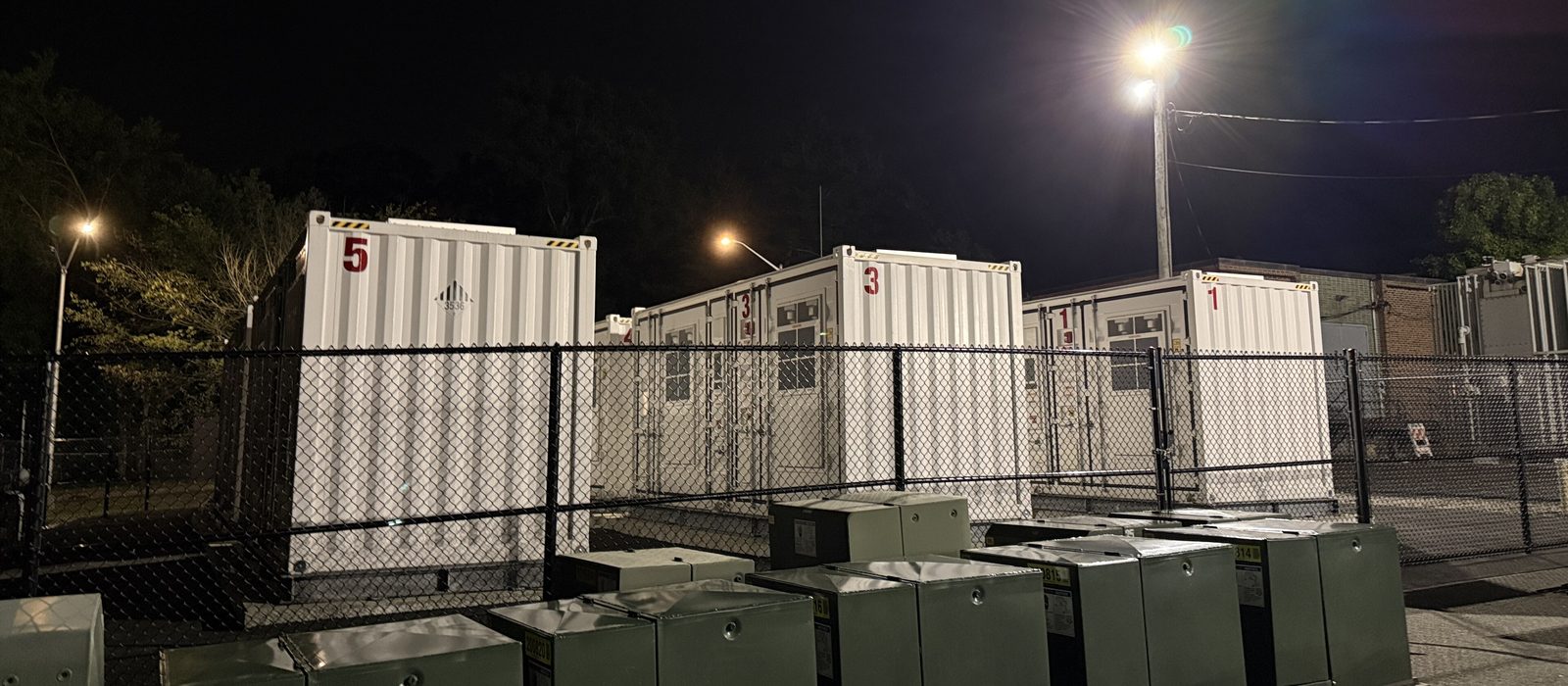
If your factory is looking at a battery (BESS, battery energy storage system), on its own or with solar, a new central rule changes what you should ask a supplier before you sign.
In short
- The Central Electricity Authority (CEA) has added a battery safety chapter (Chapter XA) to its electrical safety regulations, in force from 1 April 2027
- As reported, it covers battery systems above 650 V: a design that stays safe after two separate faults, smoke, gas, heat and flame detection, automatic fire suppression, forced ventilation and an independent fire safety audit
- CEA published a draft list of the standards to follow on 7 October 2026; the final list is not out yet
- Before you sign, ask the supplier for IEC 62619 (cells and battery) and UL 9540, or IEC TS 62933-5-1 with IEC 62933-5-2 (whole system), certificates, the cell maker's name, and a written warranty with numbers
- Whether a battery at an HT service may charge from the grid is not settled in Tamil Nadu, so ask TNPDCL before counting on it
The Central Electricity Authority (CEA) has added a new chapter on battery safety to its electrical safety regulations. As reported, it applies to battery systems above 650 volts and comes into force on 1 April 2027.
This is not a reason to delay a battery project. It is a reason to ask better questions now, while you are still choosing a supplier and a design.
What the new CEA chapter covers
The CEA (Measures relating to Safety and Electric Supply) Amendment Regulations, 2026 add a new Chapter XA on battery energy storage. It starts on 1 April 2027. Its detailed rules are for systems above 650 volts. Ask your supplier what voltage your system will be, and check with your Electrical Inspector what applies to it.
Based on trade press reports of the notification (we have not yet read the Gazette text itself), the chapter asks for:
- A design that survives two faults. The battery must stay safe, or shut down safely, even after two separate failures, not just one. This is about the electrical and control design, not only the cells.
- Hazard detection. Detection of smoke, gas, heat and flame inside the battery enclosure, not just temperature sensors on the cells.
- Automatic fire suppression. A fire suppression system in every battery container that works on its own.
- Forced ventilation. Ventilation that removes heat and stops flammable gas building up, with automatic shutdown if the ventilation fails.
- An independent fire safety audit. A third-party fire safety audit, with the report given to the Electrical Inspector.
CEA also has to publish a list of the exact technical standards that apply. It released a draft list for comments on 7 October 2026 (comments are due by 15 November 2026). The final list is not out yet. So be careful with any supplier who claims to know every final clause. The Gazette text and your Electrical Inspector decide, not blog summaries, including this one.
Why April 2027 matters now
A battery bought and installed today will still be running in April 2027 and for years after. Three reasons to plan for the rule now:
- Design is hard to change later. A two-fault-safe design, the enclosure layout for ventilation, and space for fire suppression are fixed at the design stage. Changing them after installation costs far more than getting them right first.
- The audit report goes to the Electrical Inspector. Ask now who will arrange and pay for the fire safety audit, and put it in the contract.
- Insurers and lenders may ask too. Once these checks are in the rules, expect insurers, banks and your own safety team to ask for the same papers.
The supplier checklist
Whatever the final CEA list says, a battery built and tested to recognised safety standards is in a strong position to meet it. Ask any supplier, in writing, to show you these before you sign.
Cells and battery
- IEC 62619, the international safety standard for industrial lithium cells and batteries, including stationary storage. SECI's battery tenders accept it (with IEC 63056) or the UL 1973 route.
- The cell maker's name, not just the company that assembled the battery packs. Many suppliers build packs from someone else's cells. Know who made the cells inside.
The whole system
- UL 9540, or IEC TS 62933-5-1 with IEC 62933-5-2, the system-level safety routes that SECI's battery tenders accept.
- The UL 9540A fire test report. UL 9540A is a test, not a certificate: it shows whether a fire in one cell spreads. Ask for the results at cell, module and unit level, not just the cell test.
- BIS certification, where it applies to the parts supplied in India.
Warranty and performance, in writing
- A written warranty that states the years, cycles or total energy (MWh) it covers.
- The capacity left at the end of the warranty, as a % of the starting capacity.
- The round-trip efficiency guaranteed (how much of the power you put in comes back out), and under what test conditions.
- Spare parts and service in India, not just at commissioning. Ask how they will replace a failed battery module five years from now.
Aran Tecnovation designs and installs battery systems using certified partner batteries. Aran does not make battery cells. We treat this paper trail as part of the engineering job, not something to collect at commissioning.
When a battery is not worth adding yet
A new safety rule is a reason for care, not a reason to buy. A battery is usually not worth it yet if:
- Your only aim is shifting power into the TNEB peak hours (6–10 am and 6–10 pm, under TNERC Tariff Order No. 6 of 2025). Battery losses cut that gain, and it depends on grid charging, which is not settled (see below). Cutting the demand charge (above the 90%-of-contracted-demand floor) is usually where a battery earns; see will a battery cut your TNEB HT bill.
- You do not have a clear use such as cutting demand charges, backup for a critical load, or storing your own solar, and are buying "because batteries are the future".
- The supplier cannot show IEC or UL certificates, a written warranty with numbers, and a service plan in India. If they cannot show it today, they are unlikely to be ready for an Electrical Inspector's audit in 2027.
- You plan to charge it from the grid. Whether a battery at an HT service may charge from the grid is not settled in Tamil Nadu; we found no TNERC rule on it. As reported, the one TNERC order we found (April 2023) covers a battery charged from the factory's own captive solar plant. Ask TNPDCL before you count on grid charging.
The short version
The new CEA chapter does not ban batteries or make them harder to justify. It raises the bar on how a battery above 650 V is built, checked and documented, from 1 April 2027. The factories that pass easily will be the ones that asked for certificates, a clear written warranty and a service plan before they signed.
See our battery storage page for how we check whether a battery pays on your site.
Illustrative default values — request a site-specific quotation.
Sources: CEA (Measures relating to Safety and Electric Supply) Amendment Regulations, 2026, Chapter XA, as reported by Mercom India (2 April 2026) and Energetica India (14 April 2026); Energetica India (7 October 2026) on CEA's draft standards list; SECI Hybrid Tranche VI tender, Amendment 02 (2023), on battery certificates; TNERC Tariff Order No. 6 of 2025.
Planning a battery for your factory?
Send us 12 months of HT bills and your 15-minute demand data. We check whether a battery pays, and we build it on certified partner batteries.
See how we check a battery